Social Interactions Limit Reached Vector Embroidery Design
A First Look at the Visual Personality
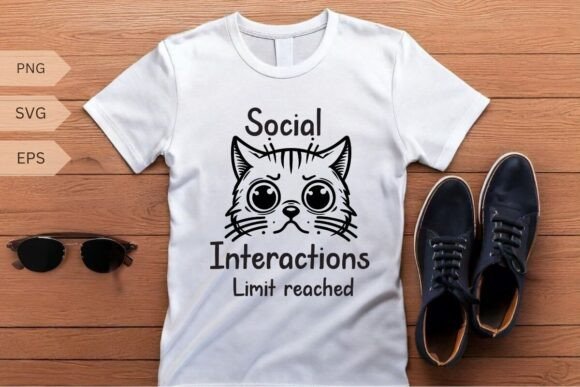
At first glance, Social Interactions Limit Reached Vector feels like a playful yet thoughtful design. It’s not just a cat illustration—it's a quirky commentary wrapped in a cute visual. The vector artwork has a clean line quality that suggests it was created with precision and intention. The cat is rendered with expressive eyes and a slightly mischievous posture, which gives the piece a humorous edge without being overly silly.
The layout is balanced and centered, making it ideal for placement on a variety of products. The detail level is moderate, which is great news for embroidery—too much detail can lead to stitch density issues, while too little might feel flat. This design seems to find a good middle ground between simplicity and character.
Real-World Application: Custom Embroidered Tote Bag
Let’s imagine using this design on a custom embroidered tote bag. As someone who regularly works with tote bags, I know that the fabric is usually medium-weight cotton or canvas, which is forgiving for embroidery. Social Interactions Limit Reached Vector would look great here, especially if paired with a soft, neutral background color. The cat’s expression would stand out well against a light fabric, making it both eye-catching and approachable.
I can see this design fitting into a boutique collection of handmade tote bags aimed at cat lovers or people who enjoy humor with a touch of irony. The slogan aspect of the design could be used as a tagline or even as part of a larger branding effort for a small shop selling personalized items.
Embroidery Performance and Practical Considerations
When considering how Social Interactions Limit Reached Vector will perform in real embroidery situations, it’s important to think about factors like hoop size, thread colors, and fabric texture. This design isn’t overly complex, so it should work well on most standard hoop sizes. However, if you're planning to use it on smaller items like patches or caps, it’s worth checking the details to ensure they scale appropriately without losing clarity.
For fabrics with texture, such as denim or burlap, the design may need some adjustment in terms of stitch density. A satin stitch around the cat’s outline could add dimension, while fill stitches inside the shape can give depth. If the fabric is dark, testing the design with different thread colors is essential to maintain visibility and contrast.
Stretchy fabrics like knits or jerseys require proper stabilizer use to prevent distortion. Testing the design on scrap fabric before finalizing any project is always a good idea. This helps identify potential issues with stitch flow or detail visibility, especially in areas where the design has intricate lines or curves.
Where to Use with Caution
Social Interactions Limit Reached Vector is versatile, but there are a few scenarios where extra care is needed. For instance, when placing it on curved surfaces like caps or hats, the design needs to be adjusted to follow the curve. Tiny lettering or very fine details might not translate well to smaller hoops or delicate fabrics. Also, if the design is intended for frequent washing, using a high-quality stabilizer becomes crucial to preserve its integrity over time.
Layered garments or products that sit against other fabrics, like aprons or sweatshirts, also require attention to how the design interacts with the underlying layers. Ensuring that the embroidery doesn’t get obscured or distorted by additional fabric layers is key to maintaining its visual appeal.
Design Impact on Product Value and Branding
From a designer’s perspective, Social Interactions Limit Reached Vector adds a unique personality to any product it adorns. Whether it’s a holiday gift, a personalized item, or a commercial product, the design brings a sense of fun and relatability that can enhance customer engagement. It’s particularly effective for handmade products, where the whimsical nature of the design aligns well with the creative spirit of craft businesses and Etsy sellers.
For small shop owners or digital product sellers, this design can serve as a standout piece in a collection of embroidery assets. Its ability to blend humor with cuteness makes it appealing across various demographics, from young adults to cat enthusiasts of all ages. When used consistently in branding or product lines, it can help build recognition and trust among customers.
Embroidery Designer Notes
Before committing to using Social Interactions Limit Reached Vector in your next project, take the following steps:
- Test on Scrap Fabric: Always test the design on a similar fabric before proceeding with a full project. This helps identify any potential issues with stitch flow or detail visibility.
- Check Thread Color Contrast: Ensure the thread colors chosen complement the fabric and enhance the design’s visibility.
- Review Stitch Density: Adjust the stitch density if necessary, especially for stretchy or textured fabrics.
- Confirm Hoop Size: Make sure the design fits within the hoop size you plan to use.
- Inspect Small Details: Check that all elements of the design, including tiny features or lettering, remain clear after stitching.
- Use Proper Stabilizer: Especially important for dark or stretchy fabrics, a good stabilizer ensures the design remains intact through washes and wear.
- Check Licensing: Before selling finished items or digital products, confirm the licensing terms of the design to avoid any legal issues.
Social Interactions Limit Reached Vector is more than just a funny cat graphic—it’s a design that can bring charm, character, and a touch of humor to a wide range of embroidery projects. Whether you're crafting for personal use, a small business, or a commercial venture, this design offers a practical and visually engaging option for your next creation.